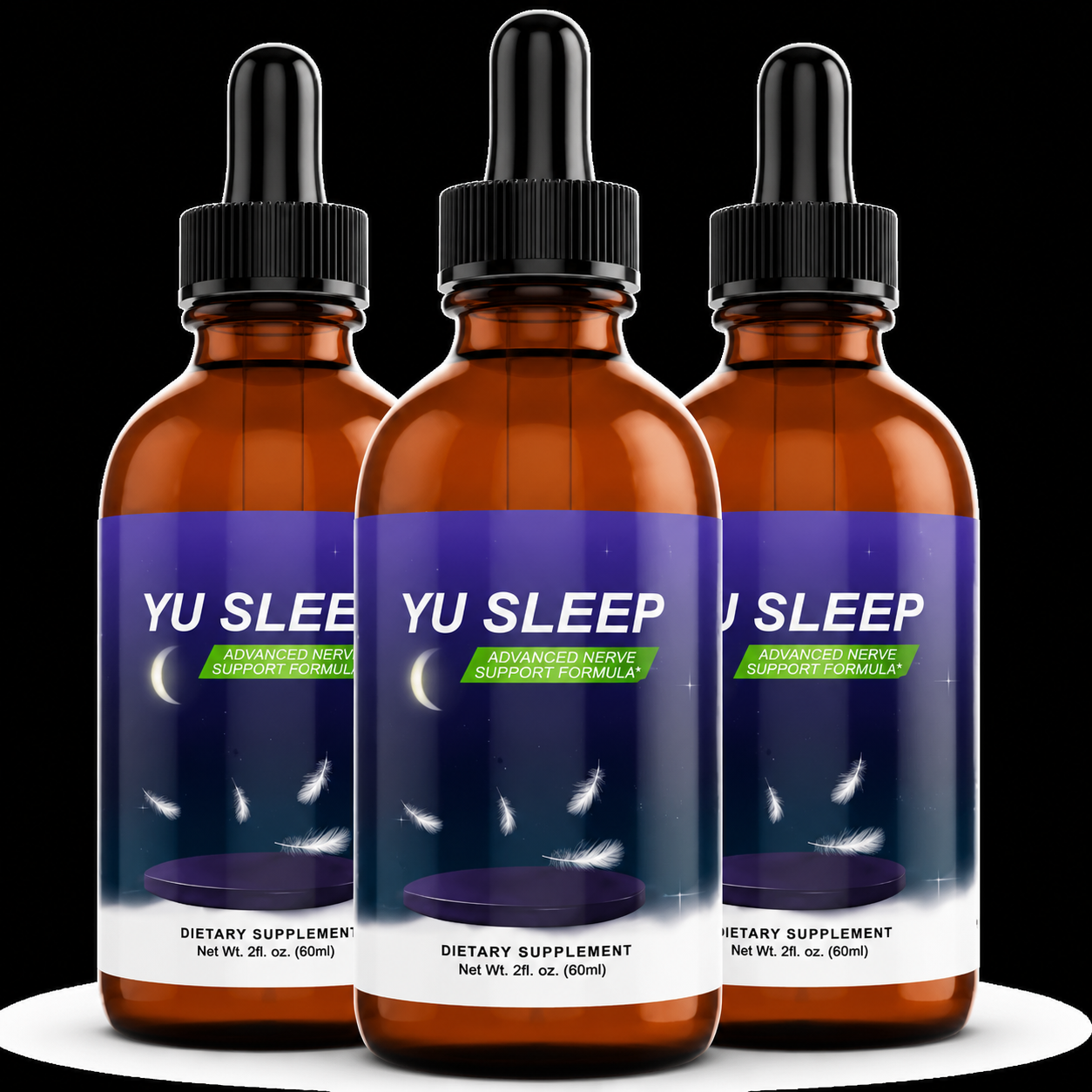
Official YuSleep Formula Page
YuSleep Official website
A food-based nightly formula built around seven researched sleep-supportive ingredients
Yu Sleep is marketed as a sleep-support supplement intended to support better sleep quality. People searching for Yu Sleep may want to learn more about the product, its ingredients, how it is intended to be used, and the evidence behind its advertised benefits. This guide provides general information about Yu Sleep to help readers understand the product and evaluate the information available about it.
Quick Overview
What is YuSleep, at a glance?
YuSleep is a nightly sleep-support capsule formulated from seven food-derived ingredients. Here is the essential snapshot before you read the full breakdown below.
Section 1
What is YuSleep?
Yu Sleep is marketed as a sleep-support dietary supplement intended for people interested in supporting their nighttime routine and sleep quality. People searching for Yu Sleep may want to learn more about what the product is, its ingredients, how it is intended to be used, and the evidence behind its advertised benefits.
The specific ingredients and formulation of Yu Sleep are important because research, potential effects, and safety considerations can vary between individual ingredients. For accurate information, readers should check the current Yu Sleep product label and manufacturer information rather than relying on outdated descriptions or advertisements.
It is also important to distinguish between what Yu Sleep is marketed to support and what has been scientifically established. A supplement marketed for sleep support should not automatically be considered a treatment for a sleep disorder.
Section 2
Why does YuSleep stand out from other sleep formulas?
YuSleep stands out because it pairs a food-based melatonin source with a researched amino-acid mineral complex and a GABA-supportive botanical, instead of relying on one dominant sedative ingredient.
Food-based, not synthetic, melatonin
YuSleep uses red tart cherry, one of the few whole foods carrying naturally occurring melatonin alongside anthocyanins and phenolic compounds that researchers believe act together, not just the isolated hormone.
A chelated, bioavailable magnesium form
YuSleep uses magnesium glycinate rather than magnesium oxide. Glycinate forms are chelated to the amino acid glycine, which supports gentler absorption and pairs a calming mineral with a calming amino acid in the same molecule.
Layered mechanisms, not one sedative
Instead of a single strong sedative, YuSleep layers seven smaller-acting ingredients across different biological pathways — melatonin supply, GABA modulation, muscle relaxation, and gut-brain serotonin signaling.
Transparent, researched formulation
Every ingredient in YuSleep is one that has appeared in peer-reviewed human or mechanistic research on sleep, relaxation, or the gut-brain axis — cited in full further down this page.
Section 3 · The Mechanism
How does YuSleep work in the body?
YuSleep works by acting on four separate stages of the sleep process — winding the nervous system down, supplying trace melatonin, supporting GABA activity, and calming the gut-brain axis — rather than sedating you through one pathway.
Red Tart Cherry Extract — why it's in YuSleep
The need: Most adults with disrupted sleep are not melatonin-deficient in a clinical sense, but a nightly nudge to circulating melatonin — timed correctly — can shorten the wind-down window. Tart cherry (Prunus cerasus) is one of the only whole foods known to contain measurable natural melatonin.
The evidence: A controlled crossover trial found tart cherry juice concentrate produced a significant rise in urinary melatonin and improved total sleep time and sleep efficiency in healthy adults. A 2025 systematic review spanning seven interventional studies found three studies reported measurable increases in melatonin alongside improvements in sleep duration and sleep efficiency. Researchers studying tart cherry consistently note that the melatonin dose from cherry alone is small (measured in micrograms, not milligrams) — the working theory is a synergy between melatonin and tart cherry's anthocyanins and phenolic acids, not melatonin acting alone.
Magnesium Glycinate — why it's in YuSleep
The need: Magnesium is a cofactor in hundreds of enzymatic reactions, including several tied to nervous-system relaxation and cortisol regulation. Population data consistently link higher magnesium intake to shorter time-to-fall-asleep and fewer awakenings.
The evidence: A 2025 randomized, double-blind, placebo-controlled trial in 155 adults with self-reported poor sleep found that 250 mg of elemental magnesium as bisglycinate over four weeks produced a statistically significant reduction in Insomnia Severity Index scores versus placebo, with most of the improvement appearing in the first two weeks. Earlier controlled research in elderly adults with primary insomnia similarly found magnesium supplementation increased slow-wave sleep and lowered nighttime cortisol. YuSleep uses the glycinate (chelated) form specifically because it pairs magnesium with glycine, an amino acid separately studied for improving subjective sleep quality.
Apigenin — why it's in YuSleep
The need: Racing thoughts at bedtime are often a GABA problem, not a melatonin problem — the brain's main inhibitory neurotransmitter isn't getting enough support to quiet activity. Apigenin is the flavonoid responsible for chamomile's traditional reputation as a calming, sleep-supportive herb.
The evidence: Laboratory binding studies show apigenin acts as a partial agonist at the benzodiazepine binding site on the GABA-A receptor, the same receptor complex targeted by prescription sedatives, but with much weaker binding affinity — which is consistent with a gentler, non-habit-forming effect. A placebo-controlled pilot study of standardized chamomile extract (apigenin's primary dietary source) reported improvements in sleep-related outcomes in adults with chronic primary insomnia, and dietary apigenin intake correlates with better sleep quality in cohort research. Researchers are careful to note that most human trial data comes from whole chamomile extract rather than isolated apigenin, so the isolated-compound evidence base is still thinner than the whole-herb evidence base.
Lemon Balm Extract — why it's in YuSleep
The need: Lemon balm (Melissa officinalis) has centuries of traditional use for restlessness and nervous tension, and modern trials have started testing that reputation directly against sleep-quality outcomes.
The evidence: In a randomized double-blind trial of postmenopausal women with sleep disturbance, 500 mg daily of a lemon balm formulation produced quality-of-life improvements comparable in direction to a prescription comparator and superior to placebo. In a separate trial of cardiac surgery patients — a population with high post-operative anxiety and disrupted sleep — 500 mg lemon balm three times daily improved both sleep quality and anxiety scores versus placebo. A 2025 narrative review attributes much of this effect to rosmarinic acid, a compound believed to modulate GABA-transaminase activity and slow the breakdown of GABA in the brain.
Vitamin B2 (Riboflavin) — why it's in YuSleep
The need: Falling and staying asleep is metabolically demanding — the nervous system still needs a steady ATP supply overnight, and the amino acid tryptophan needs to be converted into serotonin, and then melatonin, through several enzyme-dependent steps.
The evidence: Riboflavin is the precursor of FAD and FMN, two coenzymes that sit at the center of cellular energy metabolism and neuronal function. Nutrition research has also connected B2 status to the gut microbial ecosystem, which independently shapes nervous-system and sleep outcomes, and a 2025 review noted that riboflavin, alongside thiamine, may protect brain regions involved in stress, anxiety and sleep regulation by supporting neurotransmitter synthesis and reducing oxidative stress. Riboflavin is not itself sedating — its role is closer to "keeping the machinery running" so the other actives in YuSleep can work as intended.
Almond Butter — why it's in YuSleep
The need: Healthy fats and a modest tryptophan supply are part of the whole-food case for a bedtime formula — tryptophan is the raw material the body converts into serotonin and, eventually, melatonin.
The evidence: Almonds provide roughly 209 mg of tryptophan per 100 g along with meaningful magnesium and vitamin E. A 2026 randomized controlled trial testing daily almond consumption against a calorie-matched snack in adults with poor sleep found improved sleep-quality scores and sleep efficiency measured by polysomnography over a 20-week period. Researchers attribute the effect to the combined nutrient profile — tryptophan, magnesium, trace melatonin and vitamin E acting together — rather than any single compound in isolation.
Yogurt-Derived Nutrients — why they're in YuSleep
The need: The gut and brain communicate constantly through what researchers call the gut-brain axis, and a large share of the body's serotonin — the precursor to melatonin — is produced in the digestive tract rather than the brain itself.
The evidence: Harvard Medical School has summarized research indicating that roughly 90% of the body's serotonin is produced in the digestive tract, and that fermented, probiotic-rich foods like yogurt can measurably influence brain activity related to mood regulation. A 2025 review of the microbiota-gut-brain axis in mood disorders found that several probiotic strains common in fermented dairy enhance GABA and serotonin receptor expression and reduce cortisol in preclinical and early clinical work.
Section 4
What are the benefits of taking YuSleep?
The primary benefits of YuSleep are a shorter time to fall asleep, fewer nighttime awakenings, and calmer evenings, based on the studied effects of its individual ingredients.
Supports a shorter wind-down window
The combined melatonin contribution from tart cherry and the GABA-supportive action of apigenin and lemon balm are aimed at the two most common reasons people lie awake: low melatonin signaling and an overactive mind.
Encourages fewer nighttime awakenings
Magnesium glycinate is linked in controlled trials to improved sleep efficiency — the percentage of time in bed actually spent asleep — which is a proxy for staying asleep through the night.
Calmer, less wired evenings
Lemon balm and apigenin are both studied for anxiolytic (anxiety-reducing) effects, which is why YuSleep is often taken as part of a wind-down routine rather than only at the moment of trying to sleep.
No stimulant crash or grogginess loop
YuSleep contains no caffeine and no synthetic sedative, so it is not designed to produce the heavy, forced sedation — or the rebound grogginess — associated with some over-the-counter sleep aids.
Supports the gut-brain side of sleep
Yogurt-derived nutrients are included specifically because most sleep formulas ignore the gut-brain axis, despite the digestive tract producing the majority of the body's serotonin supply.
Built for nightly, long-term use
Every ingredient in YuSleep is food-derived and studied over multi-week periods rather than a single dose, reflecting how YuSleep is meant to be used — consistently, not just on bad nights.
Section 5
What do YuSleep customers commonly report?
Common themes reported by YuSleep users center on easier wind-down, fewer 3am wake-ups, and a calmer bedtime routine — typically noticed over the first two to four weeks of consistent use, in line with how the individual ingredients perform in clinical research.
A frequently reported theme: falling asleep feels less like "forcing it" and more like naturally winding down once a consistent nightly routine with YuSleep is in place.
-Mary D. - Tampa, FL
Another common theme: fewer middle-of-the-night wake-ups, which lines up with magnesium glycinate's studied effect on sleep efficiency in controlled trials.
-Lisa M. - Chicago, IL
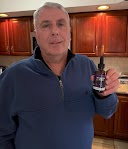
Some users note that benefits build gradually across the first few weeks rather than appearing overnight — consistent with how lemon balm and magnesium trials are structured over 2–8 weeks.
-Matthew T. - Bran, OH
Individual results vary. These summaries describe general patterns in customer feedback and are not clinical claims about YuSleep itself, which has not been separately clinically trialed as a finished formula.
Section 6
YuSleep pros and cons
A balanced look at where YuSleep's formulation is strong, and where buyers should temper expectations.
Pros
- Combines seven ingredients, each with published human or mechanistic research on sleep or relaxation
- Uses a chelated, well-tolerated magnesium glycinate rather than magnesium oxide
- Food-based melatonin source instead of a high, synthetic dose
- No caffeine, no stimulants, and no reported dependency mechanism in the underlying ingredient research
- Addresses the gut-brain axis, a mechanism most competing formulas skip entirely
- Backed by a money-back guarantee window through the official order page
Cons
- The finished YuSleep formula has not itself been through an independent clinical trial — the evidence cited is for the individual ingredients
- Exact per-capsule dosages for each ingredient are not published on the label text available to us
- Isolated apigenin has thinner human trial data than whole chamomile extract
- Effects build gradually over weeks, not within a single night
- Only available through the official order page, not third-party retailers
Section 7
YuSleep package and bundle summary
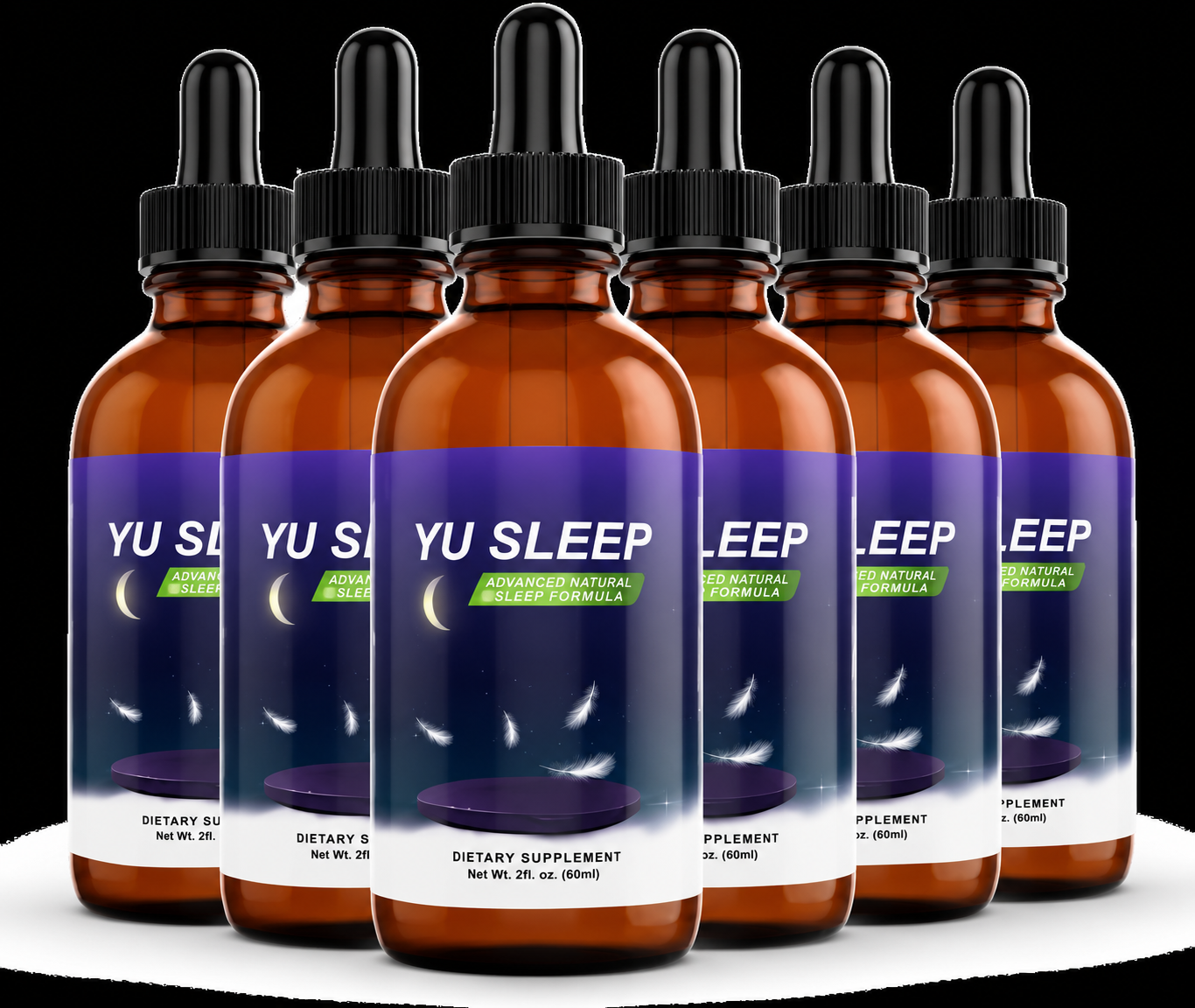
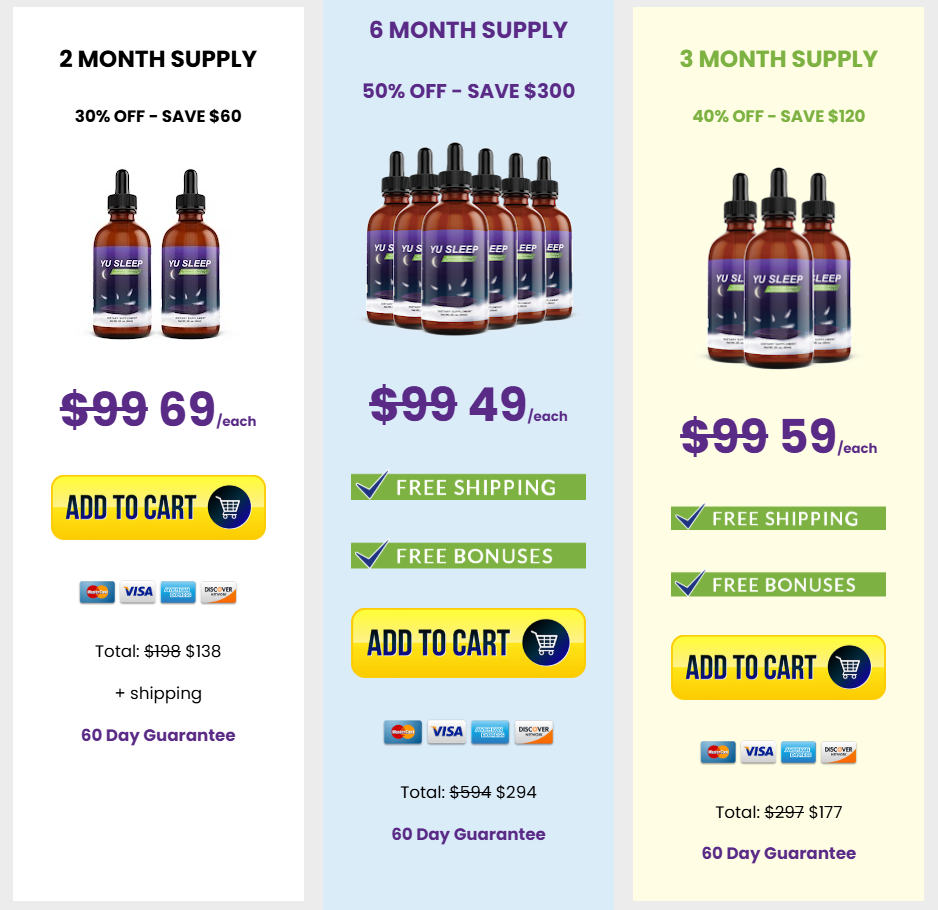
YuSleep is typically offered in single-bottle and multi-bottle bundles, with per-bottle pricing improving on larger packages. Confirm current pricing and any active offer on the official order page.
Starter
1 Bottle
Good for a first, no-commitment trial of YuSleep.
Routine Builder
3 Bottles
Covers the multi-week window most ingredient studies used to see results.
Best Value
6 Bottles
Lowest per-bottle cost for a long-term nightly routine.
YuSleep money-back guarantee
YuSleep is sold with a money-back guarantee window, giving you time to try YuSleep as part of a nightly routine before deciding if it's right for you. If YuSleep doesn't fit your routine, you can request a refund through the official order page. Exact guarantee terms, timeframes and conditions are set by the seller and confirmed at checkout — always review them before purchasing.
Section 8
YuSleep FAQs
What is YuSleep?
YuSleep is a nightly dietary supplement that combines red tart cherry extract, magnesium glycinate, apigenin, riboflavin and lemon balm extract into a single formula aimed at supporting sleep onset, relaxation and overnight rest.
How long does YuSleep take to work?
YuSleep is not designed as an instant sedative, so YuSleep does not knock you out on night one. Ingredients like magnesium glycinate and lemon balm are typically studied over two to four weeks of consistent nightly use before meaningful changes in sleep scores appear, so give YuSleep a fair multi-week trial.
Is YuSleep safe to take every night?
YuSleep uses food-based, well-tolerated ingredients such as tart cherry, magnesium glycinate and lemon balm, which are generally considered suitable for nightly use in healthy adults. That said, anyone on medication, pregnant, nursing, or managing a medical condition should confirm nightly YuSleep use with a doctor first.
Does YuSleep contain melatonin?
YuSleep does not add synthetic melatonin. Instead, YuSleep relies on red tart cherry, one of the few whole foods that naturally contains trace melatonin alongside sleep-supportive phytochemicals, for a gentler melatonin contribution than an isolated high-dose pill.
What if YuSleep doesn't work for me?
YuSleep is sold with a money-back guarantee window, so if YuSleep doesn't fit your routine after a fair trial period, you can request a refund through the official YuSleep order page.
Can I take YuSleep with other medications?
Because YuSleep contains botanical extracts like lemon balm and apigenin-rich compounds that act on GABA pathways, YuSleep should be discussed with a doctor or pharmacist before combining it with sedatives, anti-anxiety medication, or other sleep aids.
Section 9
YuSleep side effects and safety
YuSleep is formulated from ingredients that are generally well tolerated in the research reviewed for this page. Reported adverse events in the underlying ingredient trials were mostly mild — occasional gastrointestinal discomfort with magnesium supplementation, and mild drowsiness with lemon balm at higher doses were the most frequently noted issues, not serious adverse events.
Who should be cautious with YuSleep
People who are pregnant or nursing, taking sedatives, anti-anxiety medication, blood pressure medication, or medication metabolized by the liver, and anyone with a kidney condition (which affects magnesium clearance) should speak with a doctor before starting YuSleep.
General tolerability
None of the seven ingredients in YuSleep are classified as habit-forming in the research reviewed, and none produced dependency signals in the cited trials — a meaningful difference from prescription sedative-hypnotics.
Section 10
YuSleep: what to take care of before buying
- Buy only from the official order page. Supplement listings on third-party marketplaces are a common source of counterfeit or mislabeled product.
- Check the guarantee window and terms at checkout before purchasing a multi-bottle bundle, since refund timeframes are set by the seller.
- Review the ingredient list against your own allergies — YuSleep contains almond-derived and dairy-derived (yogurt) components, which matter for tree-nut or dairy allergies.
- Talk to a doctor if you take other sleep, anxiety, or blood pressure medication before adding YuSleep, since several ingredients act on overlapping pathways.
- Set expectations around timing. YuSleep's ingredients are studied over weeks, not single nights — plan for a full bottle's trial before judging results.
Section 11
YuSleep research elaboration: the published evidence behind each active
Below are the primary sources referenced throughout this page, presented as a reading list for anyone who wants to verify the science behind YuSleep's formulation directly.
Section 12
YuSleep educational review pages
Go deeper into the science behind YuSleep with three in-depth, research-backed reads.
The Sleep Cycle & Circadian Science Behind YuSleep
How circadian rhythm, melatonin timing and sleep architecture actually work — and where YuSleep's ingredients intersect with each stage.
Read the science →GABA, Melatonin & the Gut-Brain Axis: YuSleep's Mechanism Explained
A deeper, receptor-level walkthrough of how apigenin, magnesium and lemon balm interact with the nervous system.
Read the mechanism →Reading the Research: A Plain-Language Review of YuSleep's Clinical Evidence
What the human trials on tart cherry, magnesium glycinate and lemon balm actually measured, and how strong that evidence really is.
Read the review →